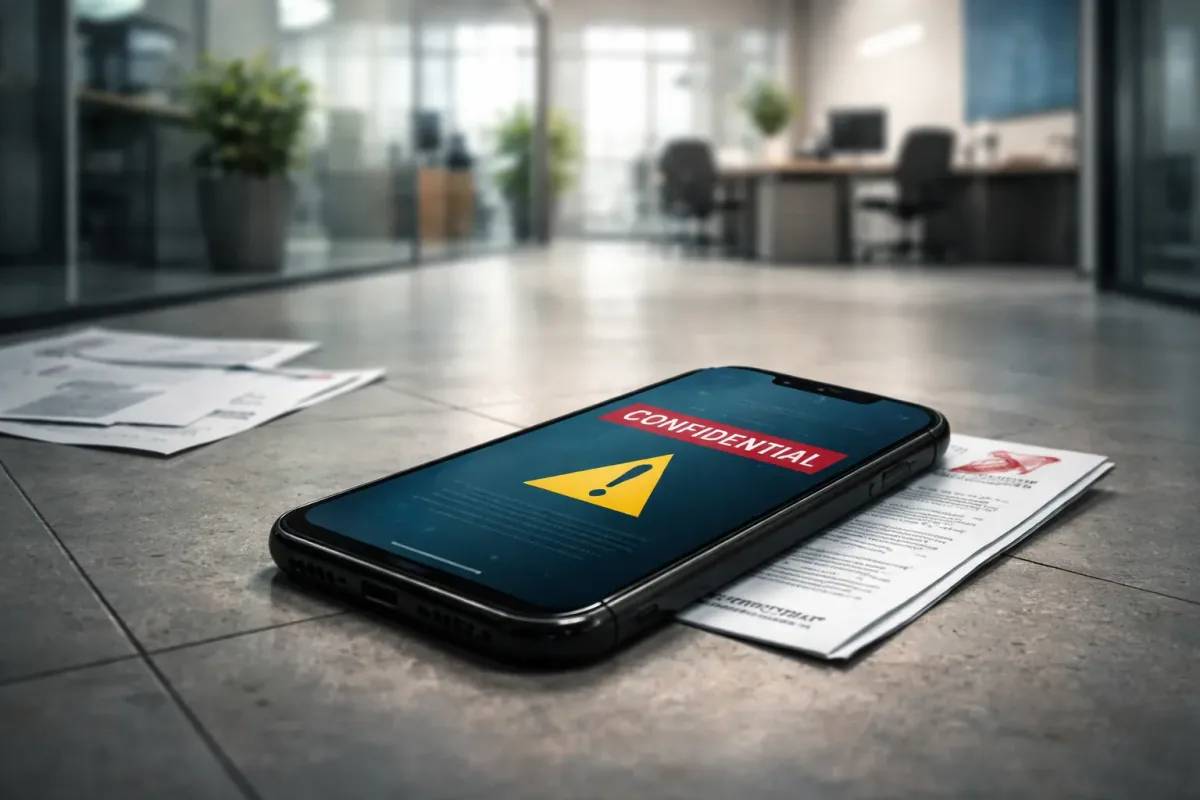
A Japanese nuclear regulator just lost a smartphone packed with sensitive contacts in China. The device vanished at Shanghai airport in November and hasn’t been seen since. Now, Japanese authorities face a potential security nightmare they can’t undo.
The Nuclear Regulation Authority (NRA) confirmed that one of its employees misplaced a work-issued smartphone during a personal trip to Shanghai on November 3. The phone contained names and direct contact details of staff who handle nuclear security—information so sensitive it’s never made public. The agency reported the incident to the Personal Information Protection Commission and admitted it cannot rule out an information leak, though no misuse has been confirmed yet.
What Happened at Shanghai Airport?
Picture this: You’re rushing through airport security, pulling items from your carry-on bag. In that chaos, a phone disappears. The employee believes the smartphone went missing while removing items during a security check at Shanghai airport. Three days passed before the worker noticed. By then, the phone had gone cold.
Airport officials were contacted. Local authorities got involved. Nothing turned up. The device remained lost, and remotely locking or erasing data wasn’t possible because the phone was out of range. That’s the part that stings—the inability to wipe the data clean.
Why This Phone Matters So Much
Not all phones are created equal. This wasn’t someone’s personal device loaded with family photos and shopping apps. The smartphone contained contact information for personnel in the NRA’s Division of Nuclear Security, which handles safeguards for nuclear materials at domestic facilities. These staff members work to prevent terrorism and theft of nuclear materials.
Their identities stay confidential for good reason. Knowing who guards Japan’s nuclear infrastructure creates security risks. The names and direct contact details of nuclear security personnel are not publicly disclosed due to their high level of confidentiality. Now that information might be in unknown hands.
The device also served an emergency function. These disaster-prevention smartphones ensure rapid response during nuclear accidents or major earthquakes, and certain NRA staff must carry them at all times. The phone primarily handled calls and texts, not direct access to nuclear databases, according to NRA officials.
Timing Couldn’t Be Worse
This incident surfaced during a tense moment in Japan-China relations. Prime Minister Sanae Takaichi suggested in November that Japan may react militarily if Taiwan came under attack. Beijing wasn’t amused. China continues raising pressure on Tokyo over the Taiwan issue.
Then there’s the nuclear angle. Tokyo Electric Power Company (TEPCO) plans to restart Kashiwazaki-Kariwa, the world’s largest nuclear plant, later this month. The NRA currently evaluates TEPCO’s application for this restart. Japan shut down its nuclear power after the 2011 Fukushima disaster, when an earthquake and tsunami caused three reactors to meltdown. Now the nation wants nuclear energy back.
Why the change of heart? Japan seeks to reduce dependence on fossil fuels, achieve carbon neutrality by 2050, and meet growing energy needs from artificial intelligence. The resource-poor nation needs reliable power sources. Nuclear fits that bill, despite lingering public concerns about safety.
What Japan’s Nuclear Authority Is Doing Now
The NRA didn’t just shrug off this security lapse. The agency warned employees against taking work-issued smartphones overseas and plans to reinforce guidance to staff. Internal rules need review, particularly policies about carrying government devices during foreign travel.
An NRA official told Kyodo News the agency would clarify these policies. The message is clear: what happened in Shanghai can’t happen again. But the damage from this incident might already be done.
Source references confirm these details through multiple Japanese media outlets including Kyodo News and Asahi Shimbun, establishing a pattern of confirmed reporting.
Why This Matters Beyond Japan
Nuclear security isn’t just a Japanese concern. When information about nuclear facility personnel goes missing, it creates ripples. Other nations watch. Security protocols get scrutinized. Questions arise about how government workers handle sensitive devices abroad.
The incident also highlights a modern dilemma: how do you balance emergency preparedness with security? These phones exist so officials can respond quickly during crises. But requiring staff to carry them everywhere—even on personal trips abroad—creates vulnerability.
The Bottom Line
A lost phone sounds minor until you consider what was on it. Japan’s nuclear regulator now faces uncomfortable questions about data security, employee protocols, and information protection. The phone remains missing. The data can’t be erased. And nobody knows for certain whether those confidential contacts fell into the wrong hands.
The NRA continues investigating while also moving forward with nuclear restart plans. Japan needs that power. But this security breach serves as a reminder that modern threats often come from the simplest mistakes—like losing a phone at airport security.
Frequently Asked Questions
What information was on the lost phone in China?
The smartphone contained names and contact details of staff working in Japan’s Nuclear Regulation Authority’s nuclear security division. This confidential information covers personnel who handle safeguards at nuclear facilities and is never made public because of security concerns. The device also functioned as a disaster-response phone for emergencies.
When did the Japanese nuclear official lose the phone?
The employee lost the work-issued smartphone on November 3, 2025, at Shanghai airport during a security check. The worker was on a personal trip to China and didn’t realize the phone was missing until three days later. By then, the device couldn’t be located or remotely wiped.
Can Japan’s nuclear regulator recover the lost phone data?
No. The Nuclear Regulation Authority confirmed that remote locking or data erasure wasn’t possible because the phone went out of range. The agency reported the incident to Japan’s Personal Information Protection Commission and cannot rule out a potential information leak, though no confirmed misuse has been detected yet.
Why is this phone loss such a big security concern?
The lost phone contained sensitive contact information for personnel responsible for protecting Japan’s nuclear materials from terrorism and theft. Exposing these identities creates serious security risks. The incident occurred during rising tensions between Japan and China, and as Japan prepares to restart its largest nuclear plant following the 2011 Fukushima disaster.